Source Dual Cylinder Jump Starter and Air Pump Set for Trucks, SUVs, Vans
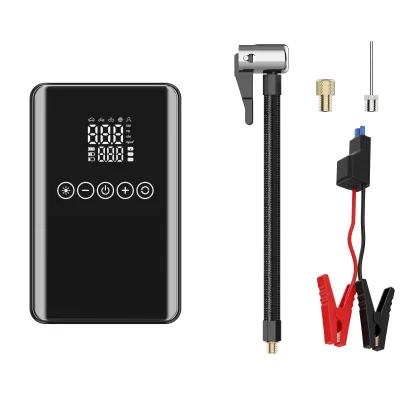
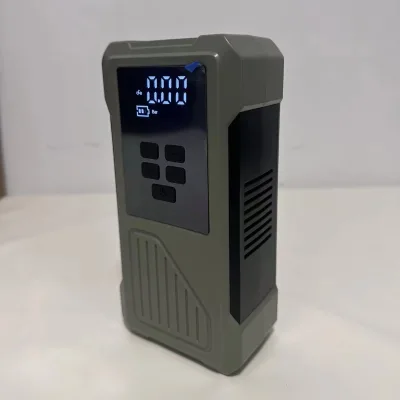
Compare 30 listings of the dual cylinder jump starter and air pump set designed for trucks, SUVs, and vans. Buyers can evaluate specifications like 12V/24V voltage, 101-150psi pressure, and lithium-ion battery capacity to find suitable options.
Key considerations
Products List


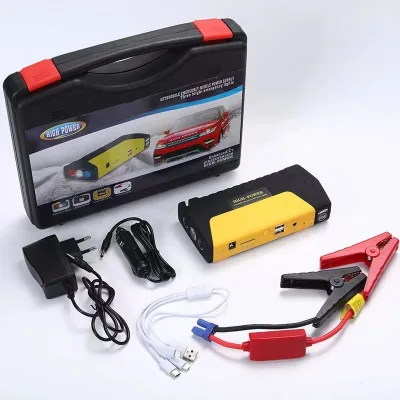
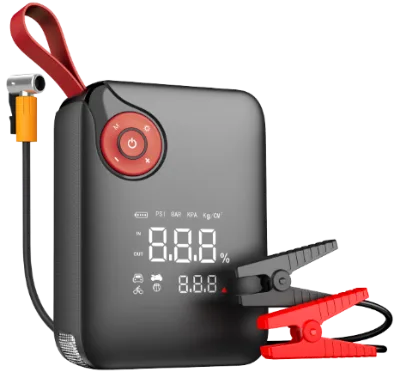


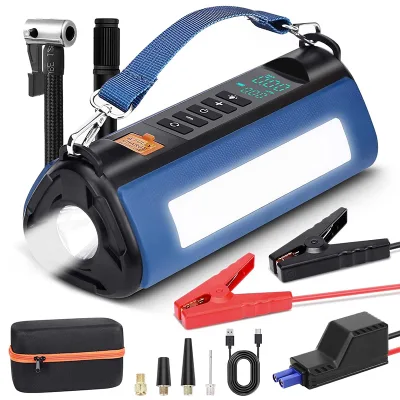


Comprehensive Sourcing Guide
Strategic Sourcing Guide for Dual Cylinder Jump Starter and Air Pump Sets
The global automotive aftermarket continues to demand robust, multi-functional emergency solutions that combine high-power battery jumping capabilities with rapid tire inflation. For procurement professionals targeting the "dual cylinder jump starter and air pump set," the supply landscape presents a specific set of technical and logistical parameters. This guide synthesizes available product attributes, certification data, and operational specifications to provide a disciplined framework for sourcing these complex units. Buyers must navigate a market where product configurations vary significantly between single-cylinder and dual-cylinder designs, with the latter offering distinct advantages in inflation speed and duty cycle. The following analysis focuses on verifying technical claims, ensuring regulatory compliance, and evaluating supplier capabilities without relying on unverified marketing assertions.
Technical Architecture and Performance Specifications
Understanding the internal architecture of a dual cylinder unit is the first step in defining procurement requirements. The core differentiator for this category is the dual-cylinder pump mechanism, which is explicitly noted in product attributes as providing "Super Fast Inflate" capabilities. This configuration typically allows for higher air volume displacement per revolution compared to single-cylinder counterparts, making it suitable for inflating large tires on trucks, pickups, SUVs, and vans. The observed product data indicates a maximum pressure range of 101-150psi, a critical threshold for standard passenger and light truck tires.
Power delivery is another fundamental specification. The units under review operate on a 12V to 16V working voltage range, compatible with standard automotive electrical systems. The internal battery architecture is a critical component of the jump starter function. Data points highlight the use of Lithium-ion battery technology with specific capacities ranging from 12,000mAh to 18,000mAh. Some configurations specify a battery pack composed of four 2600mAh cells, totaling 10,400mAh, while others list higher capacities like 16,000mAh or 18,000mAh. Buyers must verify the actual cell configuration against the advertised capacity, as the number of cycles and discharge rates directly impact the unit's ability to start a vehicle in emergency conditions.
The physical dimensions and weight are also essential for logistics planning. Observed dimensions for these units cluster around 197mm x 108mm x 55mm, with weights recorded at approximately 1200g. The inclusion of a 2.5m cable size is standard for ensuring reach during vehicle jumps. Additionally, the input specifications generally require a 5V 3A charging source, though some variations list Type-C interfaces. The motor composition is identified as copper, which is a standard indicator of efficiency and heat dissipation capabilities in portable power tools.
Regulatory Compliance and Certification Verification
In the B2B sector, compliance is not merely a formality but a prerequisite for market access. The supplied product data explicitly lists CE certification, alongside RoHS and FCC standards. These certifications are vital for selling into the European Union (CE), ensuring compliance with hazardous substance restrictions (RoHS), and meeting electromagnetic compatibility requirements in North America (FCC). Furthermore, the data references UN38.3, which is the mandatory standard for the transportation of lithium batteries. This certification confirms that the battery cells have passed rigorous testing for altitude simulation, thermal cycling, vibration, and shock, ensuring safety during shipping and storage.
Buyers must treat these certifications as observations of specific listings rather than universal guarantees for all suppliers in the category. When evaluating potential partners, procurement teams should request valid, up-to-date test reports from accredited laboratories. The presence of a "CE" mark on a product does not automatically imply compliance with the latest directives; the documentation must be current and specific to the model number. Similarly, while the data mentions "un38.Output Voltage:12V," the buyer should verify that the UN38.3 test report covers the specific battery chemistry and capacity configuration being ordered.
Cost Drivers and Pricing Dynamics
The pricing structure for dual cylinder jump starters and air pump sets is influenced by several variable factors. The observed price range in the market spans from $2.15 to $2,650. This wide disparity suggests a segmentation between basic entry-level units and high-end professional-grade equipment with extended warranties or specialized features. The lower end of the spectrum likely corresponds to single-cylinder units or those with smaller battery capacities, while the upper end may reflect premium dual-cylinder models with advanced safety features, higher capacity batteries, or bundled accessories.
Material costs play a significant role in the final price. The use of copper motors and high-quality Lithium-ion cells increases the base cost compared to aluminum motors or lower-grade battery chemistries. The dual-cylinder pump assembly itself is more complex and expensive to manufacture than a single-cylinder unit, contributing to a higher unit cost. Additionally, packaging requirements, such as the "Storage Box" or "Box" mentioned in the data, add to the overall landed cost.
Minimum Order Quantity (MOQ) is another critical cost driver. The observed MOQ range spans from 1 to 1000 units. Suppliers with lower MOQs may charge a premium per unit to cover setup and administrative costs, whereas high-volume orders can leverage economies of scale to reduce the per-unit price. Buyers should analyze their inventory turnover rates to determine the optimal MOQ that balances cash flow with unit cost savings. Customization options, which are available in this category, will also impact pricing, as tooling changes or branding modifications typically incur additional setup fees.
Typical Applications and Market Segmentation
The versatility of dual cylinder jump starter and air pump sets makes them suitable for a broad range of applications. The primary use case is emergency vehicle starting for trucks, pickups, SUVs, and vans with large tires. The "2 Cylinder, Super Fast Inflate" advantage is particularly relevant for commercial fleet managers and roadside assistance providers who need to minimize downtime. The working temperature range, observed between -20°C to +60°C in some models and -40°C to +70°C in others, indicates suitability for diverse climates, including cold weather regions where battery performance is often compromised.
The market data points to specific regional demand, with Russia, North America, North Europe, and Middle Asia identified as key markets. These regions often experience harsh winter conditions, increasing the demand for reliable jump starters with cold-weather capabilities. The inclusion of a power bank function, with output capabilities of 5V 2.4A, adds value for outdoor enthusiasts and travelers who require portable charging for electronic devices. The "Power Cord: Yes, with Suitable for Cold Weather Use" attribute further underscores the product's design for extreme environments.
Supplier Evaluation and Quality Control Protocols
Evaluating suppliers for this category requires a rigorous approach to quality control. The origin of these products is consistently listed as China, with shipping ports in Ningbo and Shanghai. Buyers should verify the supplier's manufacturing capacity and their ability to maintain consistency across production batches. The "Cycle Life: 1000 Times" specification for the battery is a key performance metric that must be validated through third-party testing. A supplier claiming this cycle life should provide data from accelerated life testing to substantiate the claim.
Quality control should extend beyond the final product to the supply chain. Buyers must ensure that the raw materials, particularly the Lithium-ion cells and copper motors, are sourced from reputable manufacturers. The "prod_packing" specifications, ranging from "500 PCS" bulk packaging to individual "Box" or "Storage Box" units, indicate different stages of the supply chain. Buyers should clarify whether the packaging is designed for retail display or bulk industrial distribution.
Furthermore, the warranty terms are a strong indicator of supplier confidence. A "2 Years" warranty is observed in the data, which is a standard expectation for high-quality portable power equipment. Buyers should negotiate warranty terms that cover battery degradation and pump failure, ensuring that the supplier stands behind their product performance. The "Universal" model designation suggests broad compatibility, but buyers should verify that the clamps and connectors are compatible with the specific vehicle types in their target market.
Long-Term Procurement Considerations and Inventory Management
Sourcing dual cylinder jump starter and air pump sets involves long-term strategic planning. The "Customization: Available" attribute offers opportunities for branding and product differentiation, which can be crucial for building a unique market position. However, customization requires careful management of lead times and tooling costs. Buyers should establish clear specifications for branding, packaging, and any functional modifications before placing orders.
Inventory management is critical due to the nature of the product. Lithium-ion batteries have a shelf life and require specific storage conditions to prevent degradation. The "Capacity" variations (12000mAh, 16000mAh, 18000mAh) mean that inventory planning must account for different SKUs to meet diverse customer needs. Buyers should implement a first-in, first-out (FIFO) system to ensure that older stock is sold before it degrades.
Finally, the "Market" data suggests that demand may fluctuate based on seasonal factors and regional economic conditions. Procurement teams should maintain a flexible supply chain that can scale up during peak seasons, such as winter in North America and Europe, and scale down during slower periods. The ability to ship from Ningbo or Shanghai provides logistical flexibility, but buyers should monitor global shipping trends and potential disruptions to ensure timely delivery. By adhering to these disciplined sourcing practices, buyers can secure high-quality dual cylinder jump starter and air pump sets that meet the rigorous demands of the global automotive aftermarket.
FAQs
What certifications do dual cylinder jump starter and air pump sets have?
These units typically carry CE, RoHS, and FCC certifications. Some listings also include UN38.3 compliance for lithium battery transport safety, ensuring regulatory adherence for international shipping and market entry.
How long is the warranty period for these jump starter sets?
The standard warranty period observed for these products is 2 years. This coverage typically applies to motor and battery performance, providing buyers with assurance against manufacturing defects and premature failure.
Which battery capacity options are available for these units?
Available battery capacities range from 12,000mAh to 18,000mAh depending on the specific model. Some configurations utilize four 2600mAh cells, while others offer higher capacity options to support extended jump-starting and power bank functions.
Can these sets be customized for specific branding requirements?
Yes, customization is available for these products to meet specific branding needs. Buyers can request modifications to packaging, labeling, or product features, though such changes may impact lead times and minimum order quantities.
What is the maximum pressure output for these air pumps?
The maximum pressure output for these pumps falls within the 101-150psi range. This specification is sufficient for inflating tires on trucks, pickups, SUVs, and vans with larger tire dimensions effectively.
How do these units perform in cold weather conditions?
These units are designed to operate in temperatures ranging from -40 to +70 degrees Celsius. Specialized power cords and battery chemistry allow for reliable emergency starting and inflation even in severe cold weather environments.